

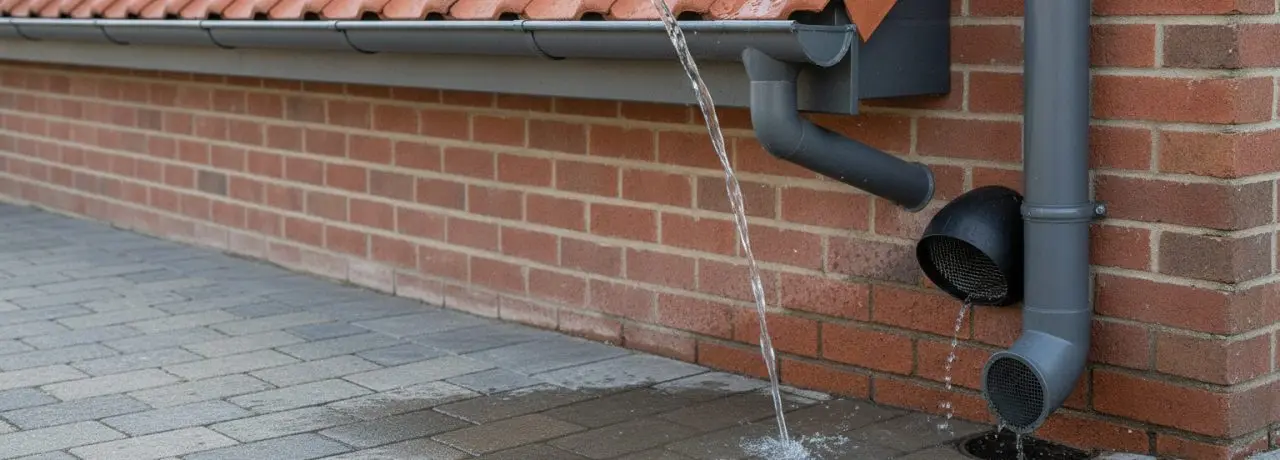
A heavy rain shower quickly reveals whether your gutter, downspout, and drain are working properly. With these 9 tips for practically checking gutters and drains before heavy rain, you can prevent leaks, overflowing gutters, and water against your facade. Even a few leaves can be enough to cause problems.
Check the gutter for dirt, moss, twigs, and sand. Also look for blockages in the downspout, leaf guard, rainwater drain, and the garden drain. For example, pour a bucket of water into the gutter and see immediately if the water drains away quickly.
Look out for loose brackets, cracks, sagging, and damp spots along the wall. This practical inspection of gutters and drains helps you act in time before heavy rain causes expensive water damage.
Check gutters and drains before heavy rain
A gutter, downpipe, and drain drain transport rainwater in a controlled manner from the roof and grounds to the sewer, an infiltration facility, or a wadi. During heavy rainfall, even a small accumulation of leaves, moss, or sand can be enough to cause water to back up. This results in overflowing gutters, damp patches on facades, leaks under roof edges, and water around entrances.
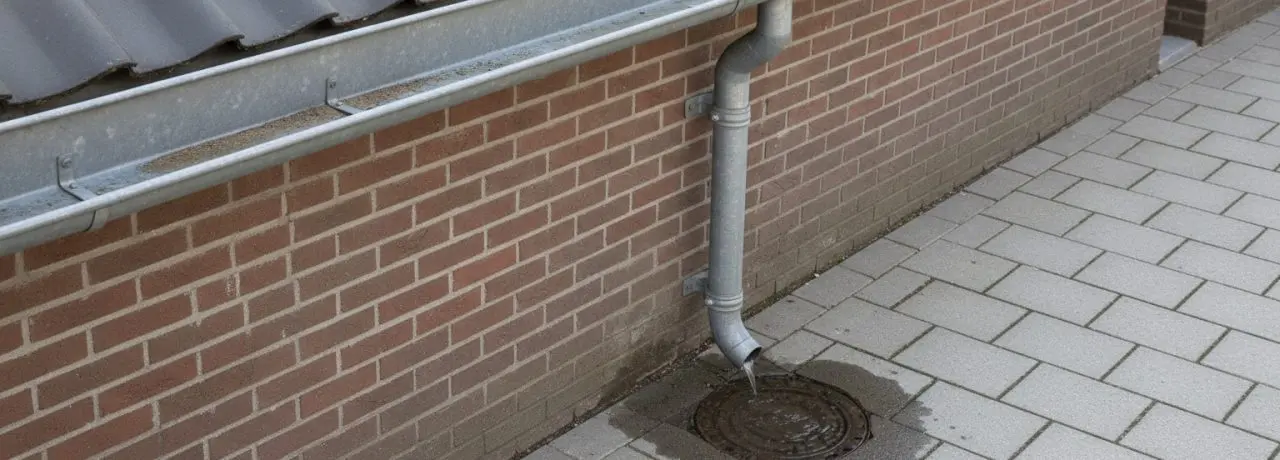
Checking gutters and drainage points is particularly important in the autumn, after stormy weather, and when the KNMI forecasts heavy precipitation. In urban areas such as Rotterdam, Utrecht, Amsterdam, and The Hague, drainage is under extra pressure due to paving, limited infiltration, and congested sewers. Rainwater drainage also requires regular attention at business parks, apartment complexes, and healthcare facilities.
With these 9 tips for practically checking gutters and drains before heavy rain, you reduce the risk of water damage, blockages, and unsafe walking routes.
Why clean gutters and drains are essential
Rainwater falls onto the roof covering, flows into the gutter, and travels via the downpipe to a catch basin, linear drain, street drain, or storm sewer. As soon as one component becomes clogged, the water seeks another route. You can often see this by water running over the edge of the gutter, dripping down window frames, or splashing against the facade.
In the past, rainwater usually flowed directly into the combined sewer. Increasingly, rainwater is being processed separately via an infiltration crate, gravel trench, rain barrel, wadi, or separate rainwater drainage system. Water boards and municipalities encourage this processing because it reduces the load on the sewer system during heavy rainfall. Therefore, a well-maintained gutter and drain point benefits not only your property but also the water management in the neighborhood.
Supplies for a safe inspection of gutters
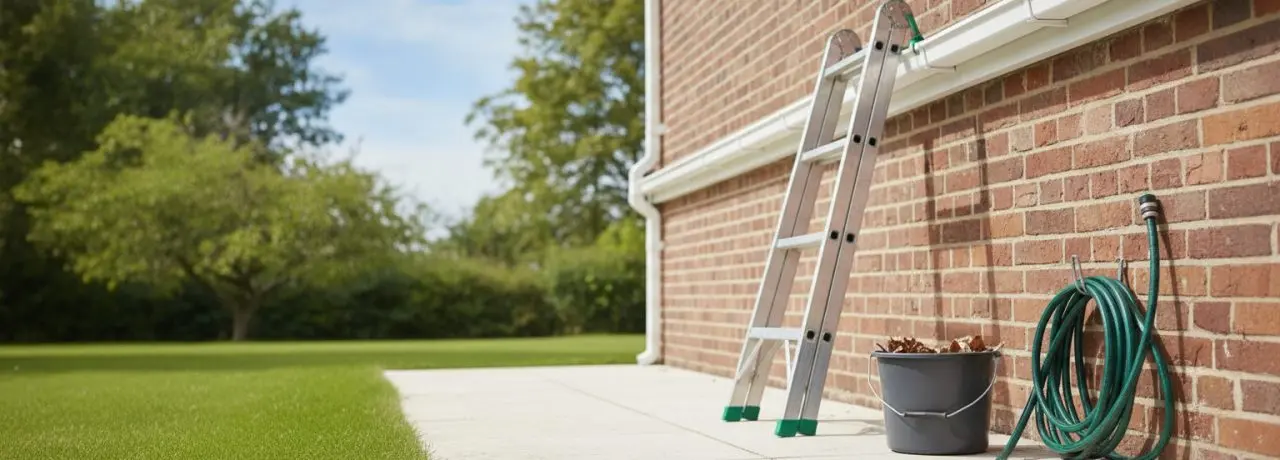
- Sturdy ladder: Use a ladder with non-slip feet and place it on a flat, dry surface. Preferably, have someone hold the ladder.
- Work gloves: Wear waterproof gloves to protect against sharp branches, dirt, screws, and possible glass in the gutter.
- Bucket with hanging hook: Collect leaves, moss, gravel, and silt directly into a bucket so that dirt does not end up in the downpipe.
- Garden hose: After removing debris, flush water through the gutter in a controlled manner to assess the flow of the downspout and drain.
- Flashlight and inspection mirror: Check dark drain openings, gullies, and connections without reaching deep into a pit with your hands.
How We Work
How we work
Non-binding intake
We discuss your situation, wishes and requirements by telephone or email/WhatsApp.
Tailor-made offer
You will receive a clear quote within one working day, fully tailored to your location and needs.
Start services
After approval, we immediately schedule the first cleaning round, always flexible and customer-oriented.
Quality and evaluation
Periodic checks, reports and consultations ensure that the level always remains high.

9 tips for practically checking gutters and drains before heavy rain
- Check the weather forecast: Schedule the inspection before prolonged rain, strong winds, or a heavy shower are expected. A dry day makes the work safer and dirt more visible.
- Remove leaves and moss from the gutter: Remove accumulated organic material, especially from trees such as oak, birch, chestnut, and plane. Wet leaves form a compact plug that quickly blocks the downpipe.
- Clear the gutter outlet: Check the opening where the gutter connects to the downpipe. This point often becomes clogged with leaves, moss, bird nests, and sand.
- Test the downspout with water: Let water run slowly through the gutter. If the water comes back up, flows away slowly, or you hear bubbling, there is likely dirt in the downpipe or underground drain.
- Inspect bends and connectors: Watch out for leaking socket joints, loose brackets, cracks in PVC, and rust formation on zinc gutters. A small leak can cause a large damp patch during heavy rain.
- Check gullies and manholes: Only lift the grate when it is safe to do so and remove leaves, cigarettes, sand, and debris. Also clean the edges around the grate so that water can flow in freely.
- Investigation of linear drains at entrances: Leaves and silt often accumulate at doors, loading docks, terraces, and parking garages. Clean the slot completely and check that the grate is firmly back in place.
- Watch out for water heading towards the facade: Check whether the paving slopes away from the building. Puddles against the facade may indicate subsidence, a full drain, or insufficient slope.
- Check leaves on the roof: Debris on a flat roof blows into rainwater drains during rain. Clear roof drains, leaf traps, and emergency overflows before water accumulates.
Signs of a clogged downspout or drain
A blockage is not always visible. Sometimes a gutter appears clean, while the blockage is located deeper inside the downpipe, drain, or underground pipe. Therefore, pay attention to changes during and shortly after a rain shower.
- Water runs over the edge of the gutter: The gutter outlet, downpipe, or underground drain cannot handle the amount of rainwater.
- Brown streaks on facade or window frame: Dirty rainwater flows down the exterior wall and can damage paint, mortar, and wood.
- Urinating at an entrance: A gully, linear drain, or street drain presumably becomes clogged with leaves, silt, or debris.
- A bubbling sound in the drainpipe: Water encounters a blockage or air accumulation in the drainpipe.
- A musty smell around a well: Standing water and organic debris can indicate a clogged drain or insufficient flow.
Working safely on gutters and rainwater drainage
Do not work from an unstable ladder, in strong winds, or during rain. Avoid walking on a sloping roof and do not force open stuck manhole covers. For tall commercial buildings, flat roofs, hard-to-reach gutters, and drainpipes with recurring blockages, professional cleaning is the more sensible option. Cleaning Company Groene Hart works with certified personnel, VCA-certified working methods, sustainable equipment, and clear agreements for business locations.
For offices, HOA buildings, hospitality venues, healthcare facilities, schools, and logistics properties, periodic exterior cleaning can limit damage and downtime. Prompt action is particularly important when an entrance, loading zone, or parking lot becomes slippery in the rain. For property locations with shared outdoor spaces, you can also read more about cleaning for property management.
Periodic maintenance prevents damage during heavy rain
Schedule at least two inspections per year, usually in the spring and after the leaves have fallen in the autumn. Check more frequently if your property is situated under trees, has a flat roof, is located near a busy road, or collects a lot of sand and dust. Regular maintenance prevents a minor blockage from turning into a leak, facade damage, or flooded areas.
Take photos of gutters, downpipes, catch basins, and drainage points after every inspection. This allows you to identify recurring contamination, subsidence, and damaged connections more quickly. At a business location, a logbook also provides an overview for facility management, insurance, and planned maintenance.
If you want to have gutters, downpipes, catch basins, and drains professionally inspected and cleaned before heavy rain, request a quote for gutter cleaning and drain inspection from Schoonmaakbedrijf Groene Hart immediately .
Frequently asked questions
1. How do you check gutters and drains before heavy rain?
Start with a visual inspection from the ground. Check if there are leaves, twigs, moss, sand, or debris in the gutter. Next, check that downpipes hang straight, connections are sealed, and drainage points remain clear. Pay extra attention to areas under trees and near flat roofs, as many leaves often accumulate there.
Test the drainage with a bucket of clean water. Gently pour water into the gutter and check if it flows to the downpipe without interruption. If water remains standing, there is usually debris at the outlet, in the leaf guard, or further down the downpipe. Also have the ground drainage checked if water backs up around the facade.
2. Which 9 tips help to practically check gutters before a rain shower?
First check leaves and moss, then the gutter outlet, the downpipe, connections, brackets, leaks, drain grates, leaf guards, and water flow. Work calmly and look especially for dark damp spots, rust, cracks, and overflowing edges. A gutter that drains well during a short test can still cause problems during heavy rain if drainage is restricted.
In practice, a fixed sequence works best. Start at the highest point of the gutter and follow the water towards the downpipe and drain. This way, you will discover where a blockage is located more quickly. For homes with high roofs or hard-to-reach gutters, safe professional cleaning is wiser than working on a ladder yourself.
3. How do you recognize a clogged downspout or drain before it starts raining heavily?
You can recognize a clogged downpipe by water standing in the gutter, damp streaks on the facade, or a puddle around the drain. Gurgling sounds, an unpleasant odor near a drain, and backflowing rainwater also often indicate dirt accumulation. Leaves, mud, roof gravel, and moss frequently combine to form a compact blockage.
Check the drain by removing the grate and visible leaves. Then flush with water and see if the water drains quickly. If it drains slowly, the blockage may be deeper in the drain. Cleaning Company Groene Hart can professionally clean gutters, downpipes, and drains before a heavy downpour causes water damage.
4. When should you check gutters and drains during expected severe weather?
Ideally, check gutters and drains a few days before a period of heavy rain, strong winds, or thunderstorms. In the Netherlands, an extra check is particularly useful in the autumn, after a storm, and when trees shed a lot of leaves. Even after dry periods, debris can become trapped, causing the first heavy rain shower to reveal a blockage.
Do not wait until water flows over the roof edge. Overflowing gutters can cause moisture problems on facades, window frames, foundations, and exterior walls. Therefore, schedule at least two regular checks per year and inspect in between after stormy weather. This ensures that rainwater drainage remains reliable when precipitation suddenly increases.
5. Why is a clean gutter important to prevent leaks and water damage?
A clean gutter drains rainwater from the roof and facade in a controlled manner. When leaves and debris block the gutter outlet, water seeks another route. It can then run over the edge, get behind fascia boards, or run down the facade. This increases the risk of damp patches, wood rot, mold growth, and damage to paintwork.
During the inspection, also look out for loose gutter brackets, cracks, and sagging. Even minor damage can cause leaks during prolonged rain. Regular maintenance is cheaper than repairing a wet facade or damaged ceiling. A thorough inspection before heavy rain provides peace of mind and reduces the risk of unexpected flooding.